



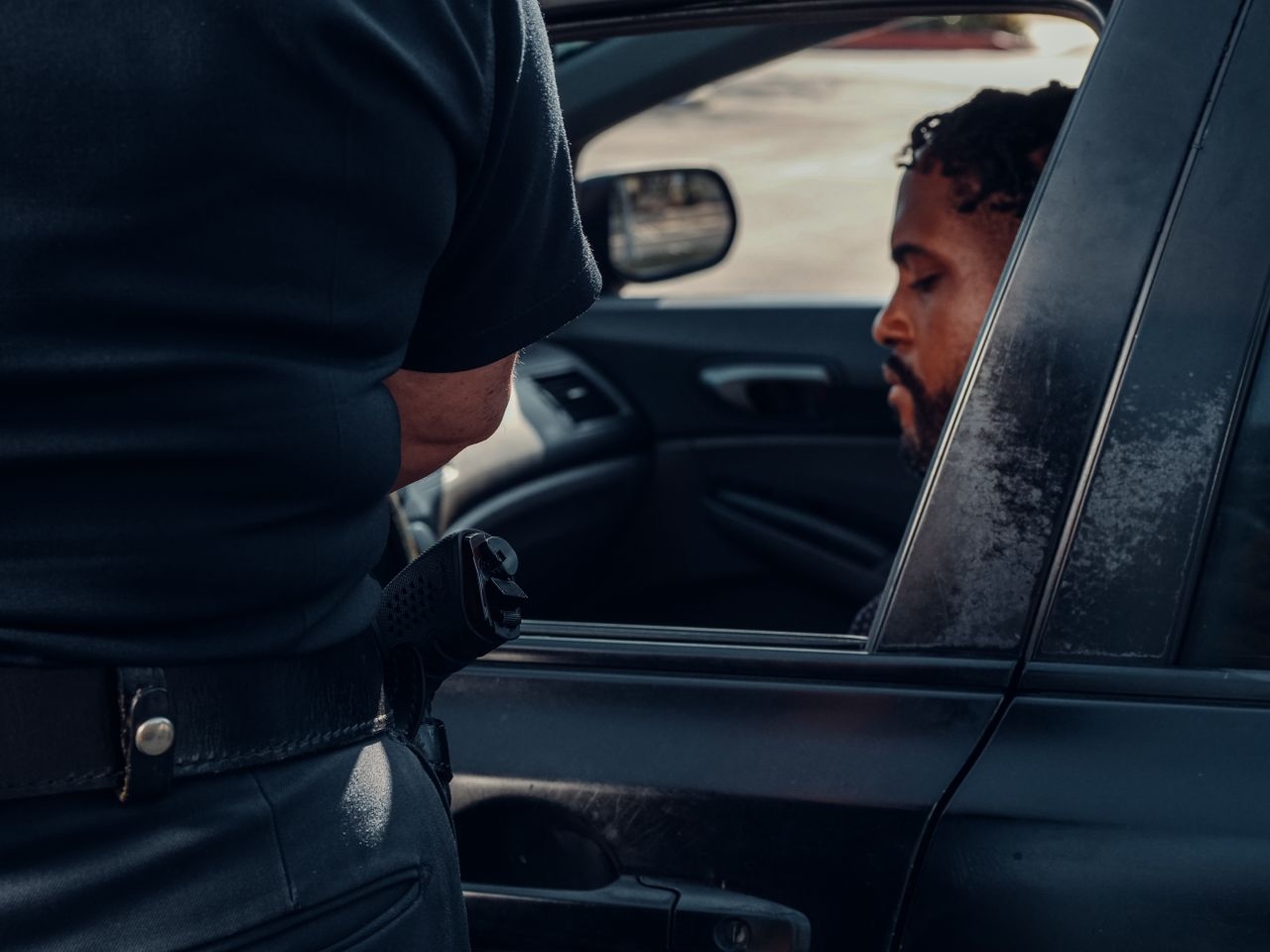
You were charged with driving under the influence of marijuana or prescription medication in New Jersey. Now, one question may be weighing heavily on your mind: What happens if you're convicted?
You might depend on your car to get to work, pick up your children, or attend medical appointments. If your license is suspended, how will you manage those responsibilities? For many New Jersey drivers, that's one of the most pressing concerns after a DUI charge.
Under New Jersey law, even a first drug DUI conviction carries a mandatory period of license suspension. You can also face significant financial penalties, required educational programs, and consequences that extend well beyond the courtroom.
Before your case is resolved, it's important to understand what a conviction could mean for your driving privileges, finances, and everyday responsibilities.
Can You Lose Your License for a First Drug DUI in New Jersey?
Yes. In New Jersey, a first drug DUI conviction generally carries a driver's license suspension of seven months to one year.
Under N.J.S.A. 39:4-50, this penalty applies to drivers convicted of operating a vehicle while under the influence of a narcotic, hallucinogenic, or habit-producing drug.
That includes cases involving marijuana or prescription medication when the State proves the driver was under the influence. Legally obtaining or using a substance does not exempt someone from New Jersey's impaired-driving law.
Some drivers assume that having no alcohol in their system means they will face fewer consequences. But a driver can face substantial DUI penalties even when no alcohol was involved.
Can You Use an Ignition Interlock Device Instead of Losing Your License?
Not as a substitute for the required drug DUI suspension.
New Jersey allows certain drivers facing alcohol-related DUI charges to receive credit toward a license suspension by installing an ignition interlock device. That option is not available to drivers charged with drug-related DUI offenses.
If you're convicted of a first drug DUI, installing an ignition interlock device does not allow you to avoid the mandatory license suspension.
For second and subsequent DUI convictions, separate ignition interlock requirements can apply. These requirements do not eliminate the mandatory suspension for a drug DUI.
If your case involves both alcohol and drugs, the applicable penalties depend on the specific conviction and your prior driving record.
What Other Penalties Can Follow a First Drug DUI Conviction?
Losing your license may be your greatest concern, but it is not the only consequence.
In addition to losing your driving privileges, a first drug DUI conviction carries other penalties and requirements:
- Fines: A statutory fine of $300 to $500, plus additional court costs and required assessments.
- Intoxicated Driver Resource Center (IDRC): A required 12- to 48-hour period of education and assessment, generally served over two consecutive days, along with any additional screening or treatment requirements.
- Possible jail time: Up to 30 days, at the court's discretion.
- Motor vehicle surcharges: A $1,000 annual surcharge for three years, totaling $3,000.
The financial impact can therefore be much greater than the initial fine. You also need to account for transportation, license restoration, insurance costs, and any required treatment.
For someone who relies on driving to earn a living, these expenses can become particularly difficult to manage during a lengthy suspension.
Are the Penalties More Severe for a Second or Third Drug DUI?
Yes. Prior DUI convictions can significantly increase the consequences of another conviction.
Under New Jersey law, a second DUI conviction generally carries a license suspension of one to two years, a fine of $500 to $1,000, a requirement to complete 30 days of community service, and between 48 consecutive hours and 90 days in jail.
A third or subsequent conviction generally carries an eight-year license suspension, a $1,000 fine, and a jail sentence of at least 180 days. Still, the court may reduce that sentence by up to 90 days for time spent participating in an inpatient rehabilitation program approved by the Intoxicated Driver Resource Center.
A previous DUI conviction can count even if it involved alcohol and your current case involves drugs. Certain out-of-state convictions can also affect how the offense is treated. Second and subsequent convictions carry additional ignition interlock requirements.
New Jersey also has a ten-year rule that can affect how repeat DUI offenses are sentenced.
If a second offense occurs more than ten years after the first, the court treats the second conviction as a first offense for sentencing purposes. When more than ten years separate the second and third offenses, the third conviction may be sentenced as a second offense. That's why the dates of your previous convictions matter when determining which penalties apply.
Does New Jersey Offer a Restricted License So You Can Drive to Work?
No. New Jersey does not offer a hardship license that allows you to drive to work, school, or medical appointments while serving a drug DUI suspension. Although certain alcohol-related DUI cases involve ignition interlock-restricted driving privileges, those provisions do not provide the same option for a drug DUI conviction.
That can create immediate problems if you live in an area where public transportation is limited or if your job requires regular travel.
Driving with a suspended license is not a solution. It can lead to additional penalties, including an extended suspension, fines, and possible incarceration.
If you're facing a drug DUI charge, it's worth considering how a suspension would affect your commute, family responsibilities, and other transportation needs before your case is resolved.
Will a Drug DUI Conviction Affect Your Record or Employment?
In New Jersey, a DUI conviction under N.J.S.A. 39:4-50 is a motor vehicle offense, not a criminal conviction. But that doesn't mean it disappears from your driving record or has no lasting consequences.
A DUI conviction remains on your driving history and is not eligible for expungement through New Jersey's criminal expungement process.
The consequences can be particularly significant if you:
- Hold a commercial driver's license.
- Drive as part of your regular employment.
- Work for an employer that reviews driving records.
- Depend on a company vehicle or employer-provided insurance.
A conviction can also increase your auto insurance costs, adding another financial burden even after your driving privileges are restored.
The impact on employment depends on your occupation, employer requirements, and licensing obligations. A conviction does not automatically mean you'll lose your job, but it can affect work that depends on a valid driver's license.
What Must You Do to Get Your License Back After a Drug DUI?
Completing the suspension period does not necessarily mean you can immediately begin driving again.
The New Jersey Motor Vehicle Commission requires drivers to satisfy applicable restoration conditions before their driving privileges are reinstated.
Depending on your circumstances, those requirements may include:
- Completing the required suspension period.
- Satisfying IDRC education, screening, or treatment requirements.
- Paying the required $100 license restoration fee.
- Resolving outstanding fines or other obligations that prevent restoration.
- Receiving confirmation that your driving privileges have been restored.
Failing to complete required IDRC programming or treatment can result in additional consequences, including continued suspension.
The end of your suspension does not automatically restore your driving privileges. Wait until the MVC confirms that your license has been restored before getting behind the wheel.
Facing a Drug DUI Charge in New Jersey? Know What's at Stake
The penalties discussed above apply to convictions. If you've been charged with a drug DUI, that outcome has not been determined.
The State must still prove its case, and the evidence matters. As we explained in our earlier article about challenging drug DUI evidence, the circumstances surrounding your arrest and the evidence against you deserve careful examination.
When your driver's license, employment, and financial stability are at stake, you need to understand both the potential penalties and the evidence against you before deciding how to proceed.
At Davis Law Firm, we represent individuals facing DUI charges in Hamilton, Trenton, Mercer County, and throughout New Jersey. We understand how disruptive a license suspension can be, especially when you depend on driving for work and family responsibilities.
Our attorneys examine the evidence, explain the penalties you face, and work to protect your rights while helping you understand your options.
If you're facing a drug DUI charge, contact Davis Law Firm to schedule a free consultation and discuss your situation.
Disclaimer: This article is for informational purposes only and does not constitute legal advice. Reading it does not establish an attorney-client relationship. If you are seeking legal advice, please contact our law firm directly.


