



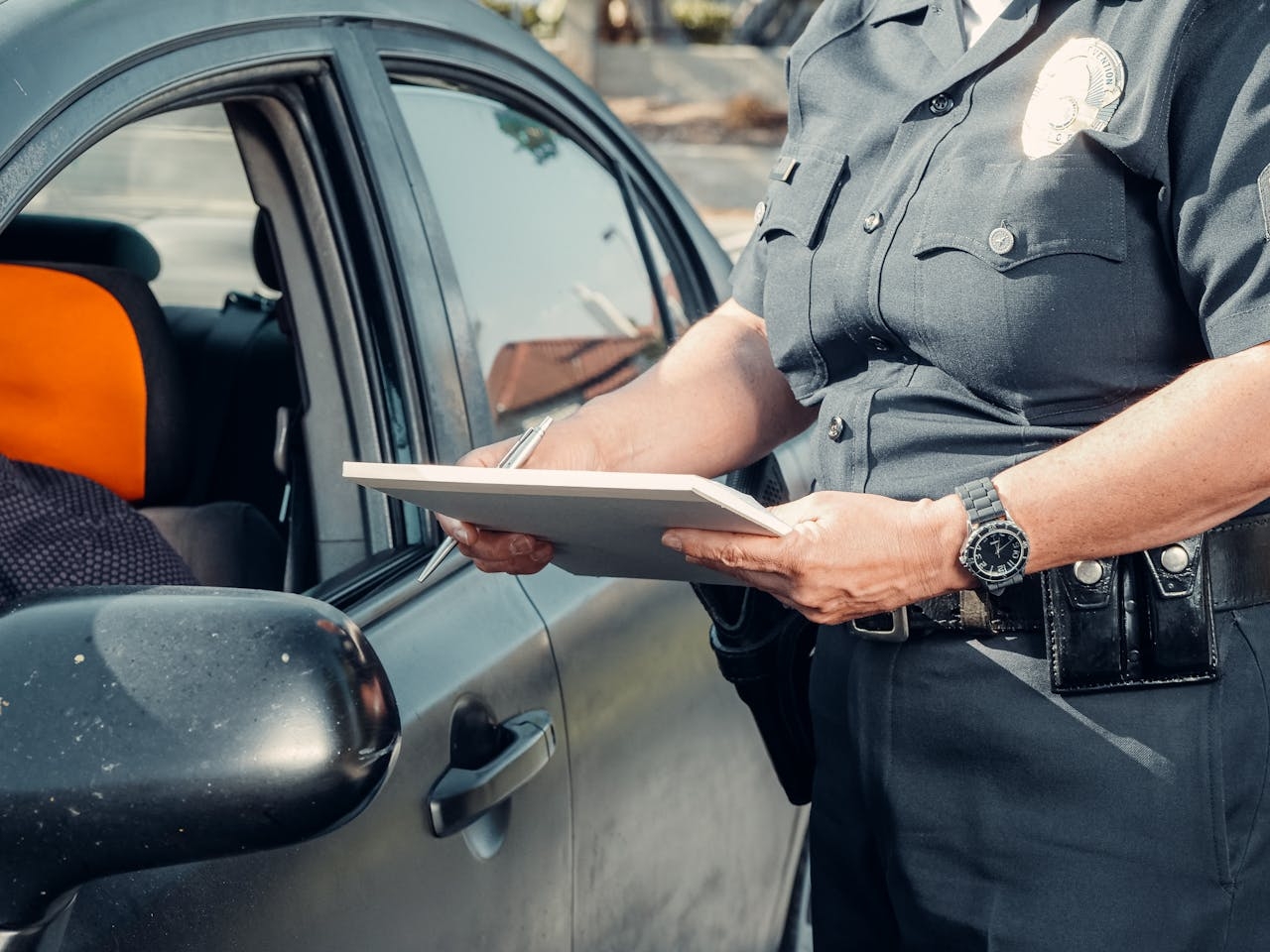
If you were charged with a drug DUI in New Jersey, you may be feeling blindsided. Maybe you were not drinking at all. Maybe you used marijuana lawfully earlier, took prescription medication as directed, or used an over-the-counter product without realizing it could still become part of a DUI investigation. Now you are being accused of driving while impaired, and you are left trying to understand how the State plans to prove that without a breath test number.
In many alcohol DUI cases, people expect police to point to a breath result. In a drug DUI case, the process often feels far less clear. Instead of relying on one number, police and prosecutors may try to build a case using observations from the stop, roadside testing, statements, toxicology results, and sometimes a Drug Recognition Expert evaluation.
Here, we explain what evidence police may rely on, how these cases are often built, and why that does not automatically mean the case against you is as strong as it may first seem.
Why a Drug DUI Charge Can Catch Drivers Off Guard
One of the hardest parts of these cases is how unexpected they feel. You may not have had a drink at all. You may have taken prescription medication exactly as directed or used marijuana lawfully and assumed that meant you were not at risk of a DUI charge. Then a routine traffic stop turns into something much more serious.
That concern is at the center of this discussion. In New Jersey, the question is not simply whether a substance was legal or whether it was in your system. The issue is whether the State can prove that it impaired your ability to drive safely. Once that claim enters the picture, the situation can stop feeling straightforward very quickly. Instead of relying on one clear breath test result, police may begin building a case around what they say they observed. That is often when drivers begin to see how subjective and stressful these charges can become.
What Police May Use Against You in a New Jersey Drug DUI Case
In many drug DUI cases, police begin building the case against you from the moment the traffic stop begins. An officer may claim you were weaving, braking oddly, drifting between lanes, driving too slowly, or reacting late to traffic signals. After the stop, the officer may focus on physical signs they believe suggest impairment, such as bloodshot eyes, delayed responses, slow speech, confusion, poor coordination, or unusual behavior.
From there, the investigation may widen quickly. Police may ask where you were going, whether you used marijuana, whether you take prescription medication, or how long you have been awake. They may ask you to perform field sobriety tests. They may also look for pills, vape products, containers, or other items they think support their suspicions.
To you, those details may feel minor or easy to explain in the moment. To prosecutors, they may become the foundation of the case. That is one reason it is so important to understand how these charges are built and why they can feel more subjective than many drivers expect.
Why Field Sobriety Tests Can Matter So Much in a Drug DUI Case
After the initial stop, one of the main ways police may try to strengthen a drug DUI case is through field sobriety testing. In an alcohol case, prosecutors often point to a breath test result. In a drug DUI case, they may rely much more heavily on how you performed during roadside testing.
Police may claim those tests showed poor balance, slowed reactions, confusion, or trouble dividing your attention. But that does not make the results automatic proof of impairment. Many people struggle with these tests for reasons that have nothing to do with drugs. Fatigue, nerves, uneven pavement, poor lighting, injuries, medical conditions, traffic noise, confusing instructions, and ordinary stress can all affect performance.
Prosecutors may later present those roadside tests as though they clearly showed impairment. In reality, they are only one part of the State’s overall argument, and they need to be viewed in context.
What a Drug Recognition Expert Can and Cannot Really Prove
In some drug DUI cases, police call in a Drug Recognition Expert, often called a DRE. If that happens in your case, it may sound as though the State now has technical evidence that will be difficult to challenge. That is not necessarily true.
A DRE may offer an opinion based on training, observations, and a standardized evaluation process, but that opinion is not the same as automatic proof that a specific drug impaired you while you were driving. And even when toxicology is involved, the presence of a substance is not the same as proof of impairment at the time of driving. That does not mean toxicology is irrelevant. It may still be one piece of the State’s case, but it is not a shortcut around the State’s burden to prove actual impairment.
Signs that may appear consistent with drug use are not the same as proof that a particular drug caused impairment while you were driving. That distinction matters because many drivers hear the term Drug Recognition Expert and assume the case is over. It is not. Prosecutors still need to prove impairment based on the evidence presented in court, and the defense can still examine whether the State’s theory actually holds together.
A Positive Drug Test Does Not Automatically Prove You Were Impaired
Another major issue in these cases is toxicology. It is easy to assume that if a blood or urine test shows the presence of a drug, the State has already won. That is not how these cases work.
A toxicology result may show that a substance was present in your system, but additional evidence is typically needed to establish impairment while driving. That can be especially important in cases involving marijuana or prescription medication, where a substance may remain detectable even after its effects have changed or worn off.
For someone facing a charge like this, that difference matters. The issue is not just whether something appeared on a test. The State still has to connect that result to actual impairment at the time you were behind the wheel.
What You Say During a Traffic Stop May Be Used to Support the Charge
Another part of these cases that catches people off guard is how quickly ordinary conversation can become part of the prosecution’s case. You may think you are simply being polite or cooperative by explaining that you took medication earlier, used cannabis the night before, or are exhausted after a long day. Later, those statements may be used alongside officer observations and testing to support the claim that you were impaired.
That is one reason drug DUI cases can escalate so quickly. A few answers during a tense roadside stop, combined with field sobriety testing and an officer’s interpretation, may become part of the narrative prosecutors rely on in court. For many drivers, that is the moment they begin to see how quickly a drug DUI case can take shape.
Why a Drug DUI Charge May Not Be as Straightforward as It Seems
When you look at how these cases are built, one thing becomes clear: a drug DUI charge may involve more interpretation than many drivers expect. Police may point to driving behavior, roadside testing, statements, toxicology, or a DRE opinion, but those pieces still need to fit together in a way that actually proves impairment.
That is where a careful defense can matter. At Davis Law Firm, we know how important it is to look closely at the reason for the stop, the officer’s observations, the way field sobriety tests were administered, the handling of blood or urine evidence, the role of any DRE opinion, and whether the State can truly connect a substance to impairment at the time of driving.
In other words, the question is not simply whether police suspected something. The real question is whether the State can prove its case.
If You Are Facing a Drug DUI in Mercer County, Do Not Assume the State’s Case Is Strong
If you have been charged with a drug DUI in Hamilton, Trenton, or elsewhere in Mercer County, do not assume the case is straightforward just because police say they saw signs of impairment. Do not assume a prescription protects you from prosecution. And do not assume that a toxicology result tells the whole story.
These charges can affect your license, your finances, your record, and your future. The sooner the stop, the testing, the officer reports, and the evidence the State plans to rely on are reviewed, the sooner a defense strategy can begin to take shape.
Talk to a Mercer County Drug DUI Lawyer Before the Case Moves Further
If you were charged with a drug DUI in New Jersey, you are likely dealing with more than legal questions. You may be worried about your license, your job, your family, your reputation, and what happens next. We understand how quickly that pressure builds.
At Davis Law Firm, we represent people in Hamilton, Trenton, Mercer County, and surrounding New Jersey communities who need clear answers and a strong defense when the State is trying to build a drug DUI case without a breath test number. If you are facing a charge like this, now is the time to have the evidence reviewed, the assumptions questioned, and your side of the story taken seriously.
Contact Davis Law Firm today to discuss your situation and find out how we may be able to protect your rights, evaluate the State’s evidence, and help you move forward with a stronger understanding of your options.
Disclaimer: The articles on this blog are for informative purposes only and are no substitute for legal advice or an attorney-client relationship. If you are seeking legal advice, please contact our law firm directly.


